Introduction
Advances in digital technology are transforming how we design and run surgical environments. Modular operating theatres already offer fast installation, seamless finishes and high infection control. The next frontier is integrating artificial intelligence (AI) and the Internet of Things (IoT) to create smart, data‑driven operating rooms that optimize workflow, safety and cost efficiency.
AI‑Driven Image Analysis and Decision Support
AI systems can automatically highlight suspicious tissues and abnormalities during surgery, helping surgeons make faster, more accurate decisions (AI Integration Elevates Efficiency in Smart Operating Rooms). Machine‑learning models assist with pre‑operative planning, intra‑operative guidance and post‑operative analysis (Smart Operating Room: AI, Robotics, and Modular …), enabling personalized surgical approaches and reducing complication rates.
IoT‑Enabled Workflow Orchestration
IoT devices embedded in lights, instruments and environmental controls collect real‑time data on temperature, humidity, air quality and equipment status. Connected dashboards orchestrate scheduling, room turnover and equipment allocation, ensuring the right tools are available and minimizing downtime (Smart Operating Room: AI, Robotics, and Modular …). Predictive maintenance alerts staff before equipment failures occur, saving money and improving reliability.
Smart OR Dashboards and Control Systems
Integrated control panels allow surgical teams to adjust lighting, booms and cameras from a single interface (What does an operating room look like?). Data visualization tools display key metrics such as particulate count and energy consumption, helping maintain sterile conditions and identify opportunities for efficiency improvements. Interfaces with electronic medical records automatically populate patient information and reduce administrative work.
Remote Collaboration and Training
AI and high‑bandwidth connectivity enable remote specialists to participate in procedures or train surgical teams from afar. Virtual reality simulators powered by AI provide realistic training scenarios and real‑time feedback, helping trainees build skills more quickly (What does an operating room look like?).
Predictive Analytics and Safety Platforms
Platforms like the OR Black Box® integrate video capture and data analytics to identify workflow bottlenecks, improve team dynamics and support continuous quality improvement (AI Trends Shaping Surgical Operations in 2026). Machine‑learning models forecast procedure durations and resource requirements, enabling better scheduling and staffing decisions.
Future‑Ready Modular OT Design
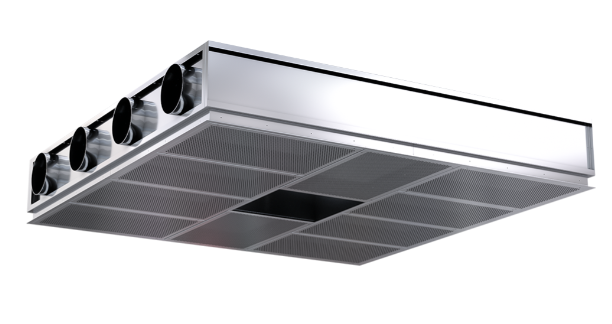
Because modular OTs are manufactured off site, smart sensors and data networks can be built into walls and ceilings at the factory. This reduces retrofit costs and supports future upgrades. Flexible layouts allow hospitals to reconfigure or expand their OTs as new technologies emerge. Energy‑efficient systems help lower operational costs and support sustainability goals.Conclusion
Frequently Asked Questions
Q: What are the key benefits of integrating AI into modular operating theatres?
A: AI supports image analysis to highlight abnormalities during surgery and offers decision support across pre-, intra-, and post-operative phases (AI Integration Elevates Efficiency in Smart Operating Rooms, Smart Operating Room: AI, Robotics, and Modular …). It also enables predictive analytics for scheduling and resource optimization, improving patient outcomes and efficiency.
Q: How does IoT improve workflow efficiency in a modular OT?
A: IoT devices monitor environmental conditions and equipment status, orchestrate room turnover and scheduling, and facilitate predictive maintenance (Smart Operating Room: AI, Robotics, and Modular …). This connectivity reduces downtime and ensures the right tools are available when needed.
Q: Are AI-enabled surgical suites safe and secure?
A: Yes, but data privacy and cybersecurity are crucial. Hospitals must ensure patient data is protected and that connected devices are secured against cyber threats when adopting AI and IoT solutions.
Q: Can existing operating rooms be upgraded with AI and IoT technologies?
A: Modular design allows facilities to retrofit or expand existing OTs with smart sensors and networks. This means you can integrate AI algorithms and IoT platforms without full reconstruction, enabling phased upgrades to achieve smart OT capabilities.