IVF Laboratory Turnkey Solutions
Cleanroom Design, Embryology Lab Setup & Medical Engineering Guide
ICARELIFE delivers fully integrated, high-performance IVF/ART laboratory environments designed, engineered and built to meet strict international standards for contamination control, safety and operational efficiency. Our turnkey solutions support IVF builders, hospital contractors and private fertility centers worldwide.
From concept design to final commissioning, ICARELIFE helps you transform drawings and room data sheets into working laboratories – including infrastructure for embryology, andrology, cryostorage, OPU/ET operating theaters, scrub areas and clean support spaces.
IVF Laboratory Requirements and International Standards
A modern fertility center is more than a single room. It is a coordinated ecosystem of clean and semi-clean zones designed around the patient journey and laboratory workflow. Typical core areas include:
- Embryology Laboratory (ISO Class 7, highest positive pressure)
- Andrology Laboratory (semen processing, usually lower/negative pressure)
- Cryostorage Room (LN₂ tanks with enhanced safety)
- Operating Theater for OPU/ET with Scrub Area
- Semen Collection Room
- Embryologist Office and Documentation Area
- Medical Gas Room and Distribution System
- UPS Room and Critical Power Distribution
- Clean Corridors, Changing Rooms, Waiting and Support Areas
Each of these spaces has different requirements for air changes per hour (ACH), pressure differentials, finishes, infection control, utilities, patient privacy and staff workflow. ICARELIFE provides the modular infrastructure – including cleanroom wall panels, medical airflow systems, hermetic doors, Corian solid surface surgical sinks, and modular operating theater furniture – to connect all of these zones into a single controlled environment.
Embryology Cleanroom Design (ISO 7, VOC & Pressure Control)
The embryology laboratory is the most critical space in an IVF center. It is the environment where oocytes, sperm and embryos are handled outside the body and must be protected from temperature drift, volatile organic compounds (VOCs), particulate contamination and pressure instability.
Most modern IVF guidelines recommend an ISO Class 7 embryology lab with 15–20 ACH, HEPA-filtered supply air and the highest positive pressure within the IVF suite (often ≥ +30 Pa compared to adjacent rooms). The embryology lab is typically kept cleaner and at a higher pressure level than the andrology lab, corridors and cryostorage room.
Key Functional Requirements for Embryology Lab Setup
- ISO Class 7 cleanroom envelope with highest positive pressure in the IVF suite.
- 15–20 air changes per hour with HEPA-filtered supply air and controlled return/exhaust.
- Low VOC and particle counts to protect gametes, embryos and culture media.
- Stable temperature (approx. 20–24°C) and relative humidity (40–60%).
- Dedicated workflow zoning for ICSI, culture, vitrification and biopsy.
- Reliable power and UPS distribution for incubators, laminar flow hoods and microscopes.
ICARELIFE Architectural & Cleanroom Solution
- Modular Cleanroom Walls: non-porous, inert, easy-to-clean panels with sealed joints and curved corners. See ICARELIFE operating room wall panels, adapted to IVF cleanroom use.
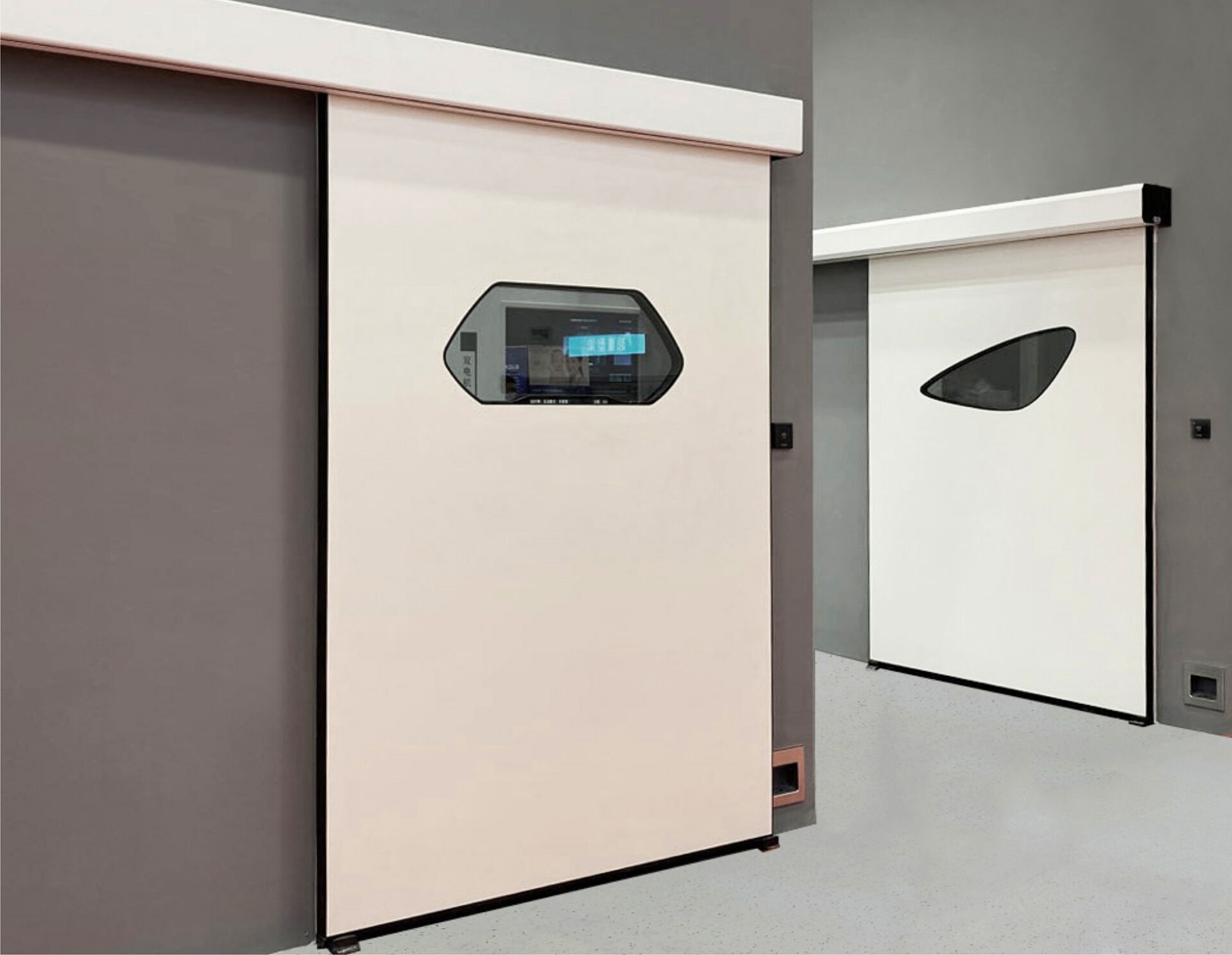
- Hermetic Doors: doors with special seals, bottom gaskets and frame detailing to maintain pressure differentials. Explore ICARELIFE hermetic door solutions.
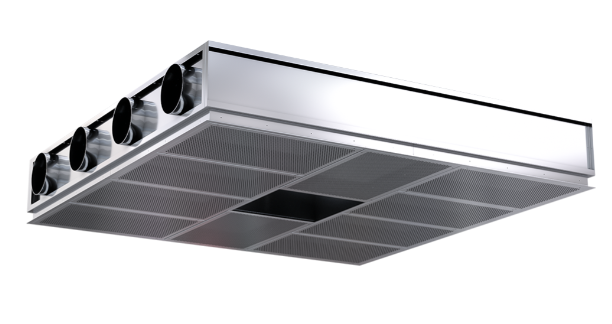
- Laminar Airflow & HEPA Ceiling Systems: ceiling-mounted HEPA or duct-free laminar airflow units over critical work areas to ensure uniform, low-turbulence clean air. See medical airflow systems.
- Flooring: vinyl sheet with coving 100–150 mm up the wall for easy disinfection and to avoid dirt traps.
- Pass Boxes & Interlocks: pass-through hatches to OT and cryostorage to keep staff movement and door openings to a minimum.
Equipment Integration
- Laminar flow hoods (e.g., 4–6 ft) with built-in heating and gas connectors.
- CO₂ and triple-gas incubators with pipeline CO₂ and N₂ from the medical gas room.
- ICSI microscopes, micromanipulators and laser systems.
- Refrigerators and freezers for media and reagents.
- Stainless steel workbenches and storage units – which can be aligned with ICARELIFE modular furniture.
Andrology Laboratory & Semen Processing Infrastructure
The andrology laboratory is responsible for semen analysis, semen preparation for IUI/IVF/ICSI and, in some centers, handling of testicular or epididymal biopsy samples. It must ensure both privacy and contamination control, while maintaining an efficient workflow.
Key Functional Requirements
- Typically kept at a lower or negative pressure relative to the embryology lab.
- 15–20 ACH, with HEPA filtration in critical work zones.
- Close proximity to the semen collection room with a pass-through hatch or window.
- Ergonomic layout for centrifuges, laminar flow hood and microscopes.
- Noise and visual privacy from public areas.
ICARELIFE Design & Finishes
- Cleanable Wall Panels: using the same family of operating room wall panels for design continuity and easy maintenance.
- Ceiling & Lighting: sealed ceiling with integrated LED lighting suitable for microscopy (low glare, uniform brightness).
- Modular Furniture & Storage: modular operating theater furniture adapted for andrology labs; shelves, drawer units and stainless benches.
- Access to Semen Collection Room: small window or pass-through to receive samples discreetly.
Typical Andrology Lab Equipment
- Laminar flow cabinet for semen preparation.
- Centrifuges, tube warmers and basic refrigerators.
- Light microscopes for morphology and motility assessment.
- Data workstation and printer for reporting.
Cryostorage Room Design & Safety Systems
The cryostorage room houses liquid nitrogen tanks used to store frozen embryos, oocytes and sperm. While this room does not require the same ISO classification as the embryology lab, it must be designed with strong emphasis on safety and monitoring.
Key Design Considerations
- Non-porous, chemically resistant wall and floor finishes.
- Good ventilation and adequate ACH (often 15–20) to dilute any evaporated LN₂.
- Oxygen depletion sensors with audible and visual alarms.
- Clear escape routes and door hardware that can be opened from inside.
- Logical arrangement of cryotanks and safe manual handling spaces.
ICARELIFE Solutions for Cryostorage
- Walls & Floors: ICARELIFE wall panels with non-porous surfaces, together with suitable flooring and coving.
- Provision for mounting O₂ sensors and alarm panels.
- Door options including hermetic or semi-hermetic designs based on pressure strategy.
- Space planning support based on cryotank sizes and access paths.
OPU/ET Operating Theater Integration with IVF Labs
The operating theater used for oocyte pick-up (OPU) and embryo transfer (ET) should be tightly integrated with the embryology lab to minimize time between retrieval/transfer and lab work, and to reduce corridor traffic.
Key Requirements for OPU/ET Theaters
- ISO Class 7 environment with HEPA-filtered supply and 15–20 ACH.
- Positive pressure relative to corridors and support spaces.
- Direct or short-path access to the embryology lab, often via pass boxes or direct door.
- Integrated scrub area with easy-to-clean fixtures.
- Ceiling, wall and floor materials compatible with disinfectants and OT protocols.
ICARELIFE OT Cleanroom System
- Hermetic OT Doors: sliding or hinged designs for clean corridor interfaces. See ICARELIFE operating room hermetic doors.
- Wall & Ceiling Surfaces: operating room wall panels to provide a continuous, cleanable envelope.
- Airflow & HEPA: medical airflow systems including laminar flow and HEPA modules above the surgical field.
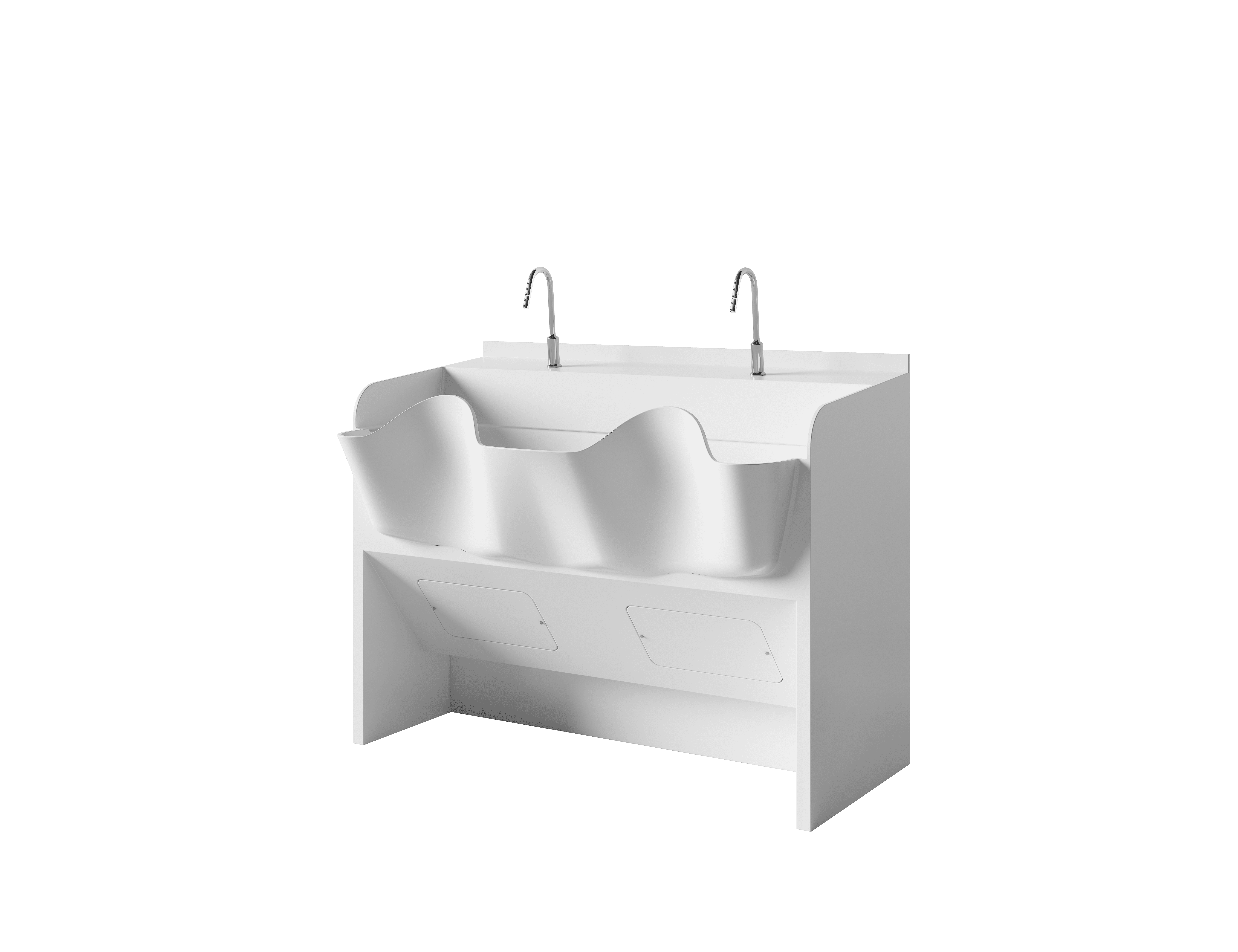
- Scrub Sinks: Corian solid surface surgical sinks for scrub areas adjacent to the OT.
- Furniture & Support: modular operating theater furniture and supporting equipment integrated into the overall OT design.
- Control & Monitoring: For room parameters, ICARELIFE can integrate with operating room control panels where applicable.
Semen Collection Room Design for Patient Comfort & Workflow
The semen collection room is a sensitive space from both patient-experience and workflow perspectives. It should offer privacy, comfort and discreet connection to the andrology lab.
Key Features
- Sound-insulated walls and solid door with lock.
- Dimmable lighting, comfortable seating/sofa and appropriate finishes.
- Easy-to-clean interior surfaces and a small hand-wash area where local codes require.
- Call button or discreet pass-through to alert the andrology lab when the sample is ready.
Embryologist Office and Documentation Area
The embryologist office is often overlooked in early layouts, but it plays a crucial role in case documentation, data entry, patient review and multidisciplinary discussion between clinicians.
Design Considerations
- Located close to the embryology lab, but not inside the cleanroom envelope.
- Standard HVAC (often Air Grade D) with comfortable temperature and acoustic conditions.
- Workstations, storage and secure file space for patient records and lab logs.
- Optionally, visibility windows or digital monitoring of incubators and lab systems.
Medical Gas Room and Piping System for IVF Centers
IVF centers require gas distribution not only for the operating theater but also for incubators and certain laboratory instruments. A dedicated medical gas room collects and regulates cylinder banks for CO₂, N₂ and O₂.
Core Elements
- Gas cylinder manifolds, regulators and safety restraints.
- Pipelines to incubators, OPU/ET OT and recovery areas with proper labeling.
- Alarm panels and emergency shut-off valves.
- Integration with hospital infrastructure where applicable.
In the clinical spaces, wall panels and ceiling systems from ICARELIFE allow neat integration of medical gas outlets with other utilities, while maintaining a clean, sealed envelope suitable for cleanroom conditions.
UPS Room and Critical Power Management
IVF laboratories are heavily dependent on electrically powered systems – incubators, laminar flow units, monitoring systems and climatic control. Any interruption can have serious consequences.
UPS Strategy
- Dedicated UPS room housing rack-mounted UPS systems for critical circuits.
- Distribution boards that separate critical and non-critical loads.
- Clear labeling of which outlets in each room are UPS-backed.
- Provision for generator connection and safe grounding in accordance with local codes.
Why Modular Cleanroom Systems Are Ideal for IVF Centers
Modular cleanroom systems shorten construction time, simplify coordination and make future upgrades more feasible. For IVF centers, where downtime is costly and contamination risks must be tightly controlled, a modular approach delivers clear advantages:
- Faster construction with prefabricated wall and ceiling systems.
- Predictable installation quality and repeatable details.
- Easier access to services for maintenance and upgrades.
- Consistent finishes across embryology, andrology and OT areas.
Why Choose ICARELIFE for IVF Laboratory Projects?
ICARELIFE focuses on supporting modular operating theater and medical cleanroom contractors with specialized products and engineering support for IVF and critical care environments.
ICARELIFE Advantages
- Integrated Turnkey Approach: walls, doors, ceilings, airflow systems, scrub sinks and furniture designed as a coordinated package.
- Medical-Grade Manufacturing: hermetic doors, modular panels and Corian solid surface sinks developed specifically for healthcare.
- Proven Cleanroom & OT Expertise: experience from modular operating theaters applied to IVF laboratory requirements.
- Partner-Friendly: design input, technical drawings and documentation to help local partners win tenders and execute projects.
- Global Project Mindset: suitable for markets in Asia, Middle East, Europe and beyond, with flexibility for local standards.
Frequently Asked Questions About IVF Laboratory Design
1. What is the typical cleanroom class for an embryology lab?
Most embryology labs are designed as ISO Class 7 cleanrooms, with HEPA filtration, positive pressure and 15–20 air changes per hour to protect embryos and culture media.
2. How many air changes per hour (ACH) are required in IVF laboratories?
A common design target is 15–20 ACH for embryology, andrology, cryostorage and OPU/ET operating rooms, with pressure and filtration adjusted to each room’s function. ICARELIFE supports this with medical airflow systems.
3. What materials are recommended for IVF laboratory walls and floors?
Recommended materials include non-porous, easy-to-clean wall panels with sealed joints, and seamless vinyl flooring with coving. See ICARELIFE operating room wall panel solutions.
4. How do you design a safe cryostorage room?
A safe cryostorage room includes O₂ depletion monitoring, adequate ventilation, LN₂-compatible surfaces and clear handling spaces. Proper door design and wall materials help maintain safety and environmental stability.
5. Which ICARELIFE products are relevant for IVF laboratory projects?
Start Your IVF Laboratory Project with ICARELIFE
If you are planning a new IVF center or upgrading an existing facility, ICARELIFE can support you with concept design inputs, modular cleanroom products and technical documentation tailored for IVF environments.
Contact us to discuss your room data sheets, layout drawings and technical requirements – and we will help you transform them into a buildable, high-performance IVF laboratory solution.