ICARELIFE — Infection Control Guide
Is Plasma Air Disinfection Safe for Occupied Patient Rooms?
A buyer’s guide to plasma air disinfection safety for hospital contractors, consultants and procurement teams — how cold plasma neutralises pathogens without exposing patients or staff to unsafe ozone levels.
Quick Answer
- Plasma air disinfection safety depends on one number: the ozone the unit leaves in the room.
- Cold plasma neutralises pathogens directly — it is not an intentional ozone generator.
- A well-designed unit holds ozone near 0.03 mg/m³ (≈0.015 ppm), far below recognised limits.
- Verify against GB/T 18883-2022 (0.16 mg/m³), the WHO guideline and the FDA 0.05 ppm limit.
- Ask any supplier for a measured, third-party ozone figure — not a marketing claim.
Why ozone is the real safety question
Every serious question about plasma air disinfection safety comes down to a single by-product: ozone. Get that number right and the technology is well suited to occupied clinical spaces.
Plasma-based air disinfection is increasingly specified for wards, waiting areas, operating suites and other spaces where people are present around the clock. It is attractive because it works continuously in occupied rooms, unlike UV-C or fogging systems that require the space to be empty.
That same advantage raises the obvious concern. If a device is running while patients and staff breathe the air, what is it putting into that air? For any plasma or ionisation technology, the answer that matters is ozone (O&sub3;) — a reactive gas that, at high concentration, can irritate the airways.
The good news for specifiers is that this is a measurable, regulated question with clear pass/fail thresholds. You do not have to take a claim on trust. You compare a measured ozone concentration against published indoor air quality limits.
Cold plasma vs an ozone generator — not the same device
The two are often confused, and the confusion drives most of the safety anxiety. They are fundamentally different in purpose.
An ozone generator is designed to flood a space with ozone as the disinfecting agent. It produces ozone deliberately and at high concentration, which is exactly why it must only be used in unoccupied rooms.
Cold plasma (also described as bipolar ionisation or plasma discharge) works differently. It generates a field of charged particles that break down the cell walls and molecular structure of bacteria, viruses and odours in the air stream. Neutralising the pathogen is the mechanism; ozone is only a small, incidental by-product, and a well-engineered module is designed to keep that by-product as low as possible.
Direct pathogen breakdown
Charged particles disrupt microbial cell structure in the air stream — ozone is not the disinfecting agent.
Designed for occupancy
Engineered to run continuously in rooms with people present, day and night.
Low incidental ozone
A minor by-product, not the operating principle — kept low by module design.
Unlike ozone generators
Ozone generators intentionally produce high ozone and must only be used in empty rooms.
The safety limits that actually matter
Three widely recognised references let you benchmark any indoor ozone figure. A compliant plasma unit should sit below all of them.
Different regions cite different standards, so a globally credible product is one that clears the strictest applicable limit rather than the most convenient one. The three most commonly referenced in hospital procurement are shown below.
| Reference | Ozone limit | Basis |
|---|---|---|
| GB/T 18883-2022 | 0.16 mg/m³ (≈0.08 ppm) | China indoor air quality standard, 1-hour average |
| WHO Air Quality Guideline | 0.10 mg/m³ (≈0.05 ppm) | 8-hour daily maximum, general population |
| US FDA / UL 867 | 0.05 ppm | Ceiling for air cleaners regulated as medical devices |
What the numbers mean for an occupied room
Benchmarking a real measurement against these limits is where the safety case is either made or lost.
A properly engineered cold plasma module can hold steady-state ozone in the region of 0.03 mg/m³ (≈0.015 ppm) in the treated space. Placed against the references above, that figure sits well under every one of them.
0.03 mg/m³ is roughly one-fifth of the 0.16 mg/m³ standard.
Well under the 0.10 mg/m³ eight-hour reference for the general population.
≈0.015 ppm is well under the 0.05 ppm limit for air cleaners regulated as medical devices.
This range overlaps with ozone levels found in ordinary indoor and outdoor air, with no accumulation over continuous operation.
At this level there is no meaningful accumulation risk in a continuously occupied patient room, and the concentration is below the threshold at which most people can detect ozone by smell. In practical terms, a unit performing to this figure is suitable for 24-hour operation with patients and clinical staff present.
How to verify a supplier’s ozone claim
A defensible specification asks for evidence. These are the questions that separate a documented product from a marketing claim.
Whether you are a contractor writing a submittal or a consultant evaluating a tender, the verification checklist is short and specific. Any credible manufacturer can answer all of it.
-
1Ask for a measured ozone figure, with units and averaging period
A single value in mg/m³ or ppm, stated for a defined room volume — not just “low ozone”.
-
2Request the test report and the standard it was measured against
Third-party or accredited-laboratory data carries far more weight than an internal figure.
-
3Confirm it is cold plasma, not an ozone generator
Verify the disinfection mechanism and the intended occupancy condition in writing.
-
4Check the microbial efficacy data separately
Kill-rate and bacteria-removal figures should come with the test organism, method and laboratory named.
-
5Match the unit to the room
Ozone concentration depends on air volume and ventilation, so confirm the product is sized for the actual space.
Red flags in a supplier response
- Efficacy claims (for example a 99.9% kill rate) with no laboratory or test standard named.
- An ozone figure with no unit, no averaging period, or no room size stated.
- The wrong averaging period cited for a standard — a sign the datasheet was not checked.
- No clear statement of whether the room may be occupied during operation.
Where plasma disinfection fits in a healthcare project
Air disinfection is one layer of a wider infection-control and HVAC strategy, not a standalone fix.
In a well-designed facility, continuous plasma air disinfection complements — rather than replaces — filtration, air change rates and pressure regimes. It is most valuable in occupied spaces where you need ongoing microbial control without shutting the room down, such as wards, isolation areas, waiting rooms and consultation spaces.
For contractors and consultants, the practical takeaway is to treat it as an integrated component: specify the disinfection performance, the verified ozone level, and how the unit ties into the room’s ventilation, then evaluate suppliers on documented evidence for all three.
Coulomb-Force Plasma vs Electrostatic (ESP) Air Purification
Why the discharge principle behind a plasma unit decides how much ozone it leaves in an occupied room.
Frequently Asked Questions
Yes, provided the unit’s ozone output stays within recognised indoor air quality limits. Cold plasma is designed for continuous operation in occupied spaces because it neutralises pathogens directly rather than flooding the room with ozone. A unit holding steady-state ozone near 0.03 mg/m³ sits well below the GB/T 18883-2022, WHO and FDA references, making it suitable for 24-hour use with patients and staff present. Always confirm the specific product’s measured ozone figure before specifying it.
An ozone generator produces ozone deliberately and at high concentration as its disinfecting agent, so it must only be used in unoccupied rooms. Cold plasma instead generates charged particles that break down microbial cell structure in the air stream, producing only a small incidental amount of ozone. The two devices have opposite occupancy rules, which is why it is important to confirm which technology a product actually uses.
Commonly cited references include GB/T 18883-2022 at 0.16 mg/m³ (1-hour average), the WHO Air Quality Guideline at around 0.10 mg/m³ (0.05 ppm, 8-hour), and the US FDA / UL 867 limit of 0.05 ppm for air cleaners regulated as medical devices. A plasma disinfection unit intended for occupied rooms should sit comfortably below the strictest applicable limit, verified by measurement.
Ask the supplier for a measured ozone figure with clear units and averaging period, a supporting test report from a third-party or accredited laboratory, written confirmation that the device is cold plasma rather than an ozone generator, and separate microbial efficacy data naming the test organism and method. Also confirm the unit is sized for the actual room volume and ventilation, because ozone concentration depends on both.
At a low steady-state output such as 0.03 mg/m³, and with normal room ventilation, ozone does not accumulate to unsafe levels over continuous operation. Ozone is naturally short-lived and breaks back down, so a correctly sized unit maintains a stable low concentration rather than a rising one. Accumulation only becomes a concern with high-output devices such as ozone generators or with badly undersized ventilation.
1. GB/T 18883-2022, Standards for Indoor Air Quality — ozone limit 0.16 mg/m³ (1-hour average). Standardization Administration of China.
2. World Health Organization, Global Air Quality Guidelines (2021) — ozone 0.10 mg/m³ (8-hour daily maximum); stricter 0.06 mg/m³ peak-season long-term guideline. who.int
3. US FDA, 21 CFR 801.415 — Maximum Acceptable Level of Ozone — 0.05 ppm for devices in occupied spaces including hospitals. ecfr.gov
Product performance figures (ozone output, disinfection rates and specifications) are ICARELIFE test and datasheet data.
ICARELIFE Technical Team
Healthcare infrastructure specialists with extensive experience in modular operating theaters, medical cleanrooms, and MEP system integration. ICARELIFE — Innovating Spaces That Heal.
Related Solutions from ICARELIFE
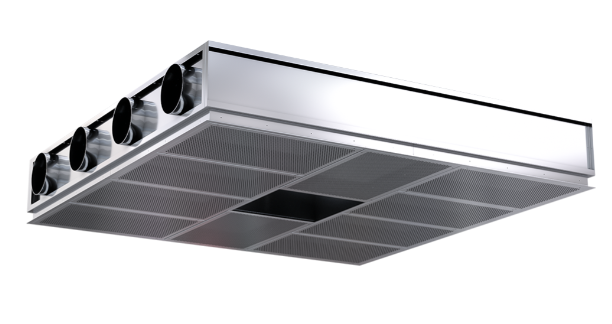
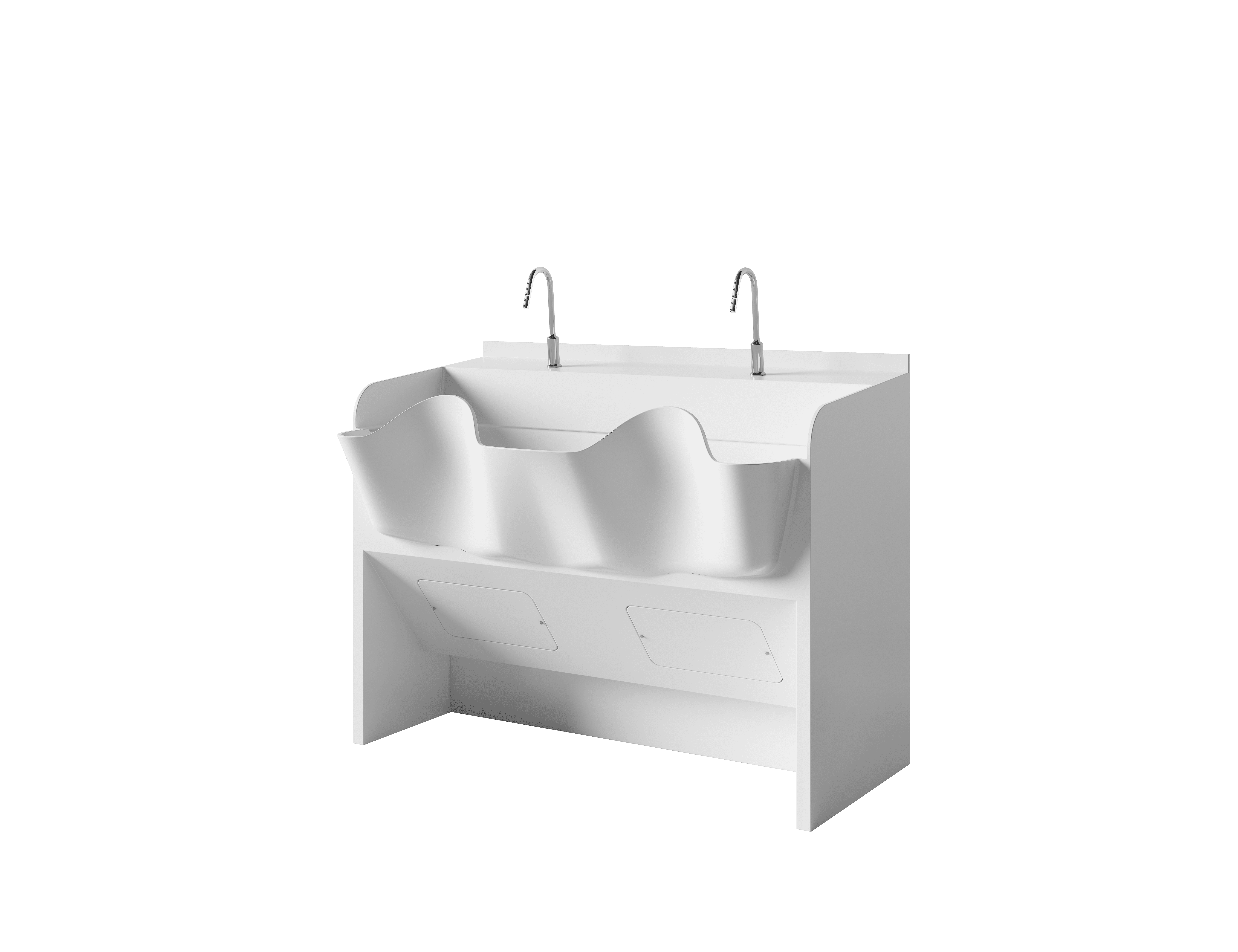
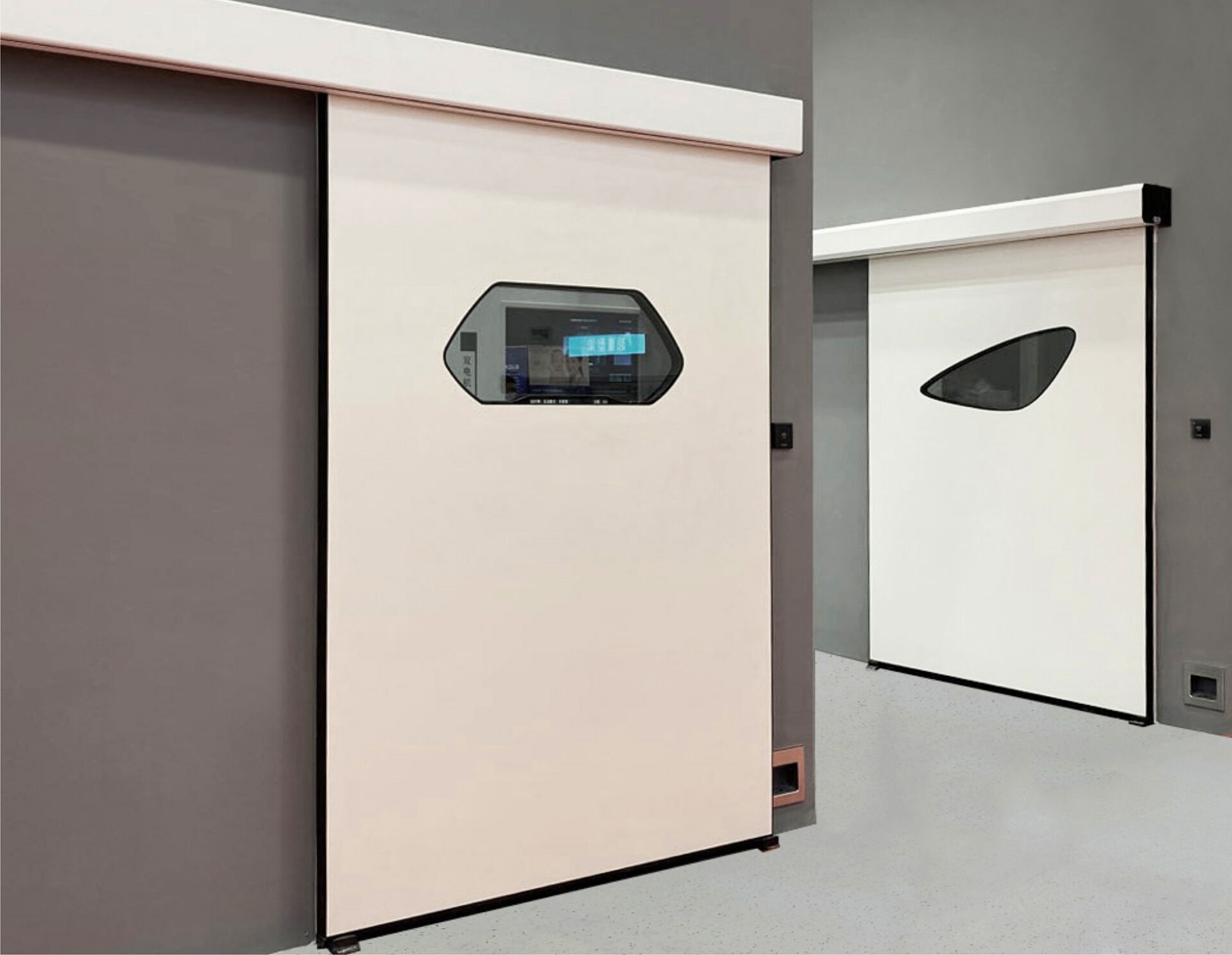
Air disinfection performs best as part of an integrated ventilation and infection-control system.
ICARELIFE — Infection Control Systems
Specifying air disinfection for a healthcare project?
ICARELIFE supplies air disinfection and ventilation systems engineered for occupied clinical spaces, integrated with the wider HVAC and infection-control design. Share your room schedule and performance targets and our technical team will help you specify a compliant, documented solution.